- FEEL HEALTHY LIVE HEALTHY
- +91-9478752305
- grantham.life@gmail.com

Best Eye Drops for Bacterial Infection

Top 10 Eye Drops Franchise in India
October 12, 2026
Best Ophthalmic Eye Drops Company in Andhra Pradesh
November 18, 2026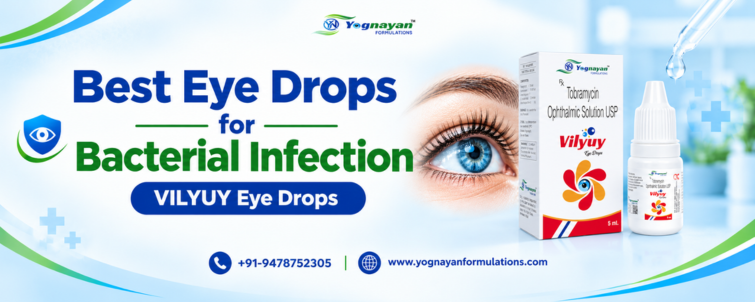
Best Eye Drops for Bacterial Infection: A Comprehensive Guide to Ophthalmic Care – Yognayan Formulations
Eye health is integral to our overall well-being, yet our eyes are constantly exposed to environmental pathogens, bacteria, and irritants. When harmful microorganisms invade the surface of the eye, they can cause painful and uncomfortable conditions. Finding the best eye drops for bacterial infection becomes a top priority for patients experiencing redness, discharge, or inflammation.
Navigating the various options for eye care requires understanding how bacterial infections develop, how prescription treatments work, and why proper diagnosis is essential. In this guide, we will explore the underlying nature of bacterial eye infections, key symptoms, proper treatment protocols, and introduce VILYUY Eye Drops by Yognayan Formulations as a notable therapeutic option in modern ophthalmic care.
What is a Bacterial Eye Infection?
A bacterial eye infection occurs when harmful bacteria invade any part of the eye or surrounding tissue. The infection can target the cornea, eyelid, or the thin membrane lining the inside of the eyelids and covering the white part of the eye (the conjunctiva).
Unlike viral or allergic conditions, bacterial infections often lead to thick, yellowish, or greenish discharge that can cause the eyelids to stick together, particularly after sleeping. Prompt evaluation by an eye specialist is critical to prevent complications and determine whether antibiotic eye drops are required.
What is Bacterial Conjunctivitis?
Bacterial conjunctivitis , commonly known as “pink eye,” is one of the most frequent types of ocular infections. It occurs when bacteria such as Staphylococcus aureus, Streptococcus pneumoniae, or Haemophilus influenzae proliferate on the surface of the conjunctiva.
Key Characteristics of Bacterial Conjunctivitis
- Rapid Onset: Symptoms often develop quickly in one eye and can rapidly spread to the other eye through direct contact.
- Distinct Mucopurulent Discharge: High volumes of thick discharge are a hallmark indicator separating bacterial conjunctivitis from allergic reactions.
- Contagious Nature: Bacterial conjunctivitis spreads easily through contaminated hands, towels, pillowcases, or shared eye makeup.
Understanding the root cause is vital because using the wrong treatment—such as applying steroid drops without antibacterial coverage—can exacerbate the infection.
Common Symptoms of Bacterial Eye Infections
Recognizing the early symptoms allows patients to seek timely medical intervention. While symptoms vary depending on severity, typical indications include:
- Eye Redness and Irritation: A distinct bloodshot appearance caused by inflamed blood vessels in the conjunctiva.
- Thick Discharge: Yellow, green, or white crusting or liquid drainage around the eye margin.
- Grittiness or Foreign Body Sensation: A feeling as though sand or dust is trapped beneath the eyelid.
- Eyelid Swelling: Puffiness or heavy feeling around the infected eye.
- Mild Sensitivity to Light (Photophobia): Discomfort when exposed to bright indoor lights or direct sunlight.
- Watering and Tearing: Excess fluid production as the eye attempts to flush out bacteria.
How Are Bacterial Eye Infections Diagnosed?
Accurate diagnosis by an ophthalmologist or optometrist is essential before starting any eye infection treatment. Self-diagnosis often leads to misuse of medication, which can prolong recovery or cause unnecessary side effects.
- Slit-Lamp Examination: The doctor uses a bio-microscope to inspect the cornea, conjunctiva, and anterior chamber under magnification.
- Clinical History: Evaluating onset, progression, contact lens usage, and exposure to infected individuals.
- Bacterial Culture (Swab): In severe, persistent, or recurrent cases, a doctor may take a sample of the discharge to identify the specific bacterial strain and determine antibiotic susceptibility.
What Types of Eye Drops Are Used for Bacterial Infections?
When searching for the best eye drops for bacterial infection, patients must realize that effective medications fall under prescription categories. Broad-spectrum antibiotic eye drops are the clinical standard for combating bacterial pathogens.
Primary Classes of Antibacterial Ophthalmic Drops
- Aminoglycosides (e.g., Tobramycin): Highly effective broad-spectrum antibiotics that disrupt bacterial protein synthesis, clearing susceptible strains efficiently.
- Fluoroquinolones (e.g., Moxifloxacin, Ciprofloxacin): Broad-spectrum antibiotics often used for corneal ulcers and complex ocular infections.
- Macrolides (e.g., Erythromycin): Frequently used in ointment form or mild bacterial conditions.
Note: Over-the-counter (OTC) lubricating drops or “redness relief” drops do not eliminate bacteria. Using decongestant drops during an active bacterial infection can worsen inflammation or mask symptoms.
Key Considerations When Choosing Prescription Eye Drops
Selecting the appropriate medication requires clinical oversight. Eye care practitioners consider several factors when selecting the best eye drops for bacterial infection for a specific patient:
- Spectrum of Activity: Ensuring the active ingredient targets the specific bacteria responsible.
- Patient Age and Profile: Factoring in pediatric, adult, or geriatric safety considerations.
- Corneal Safety and Tolerability: Choosing formulations that minimize stinging, burning, or epitheliotoxicity.
- Compliance and Dosage Schedule: Selecting options with manageable daily dosing schedules to encourage full compliance.
- Manufacturing Quality: Ensuring the formulation adheres to rigid sterility standards.
Introduction to VILYUY Eye Drops
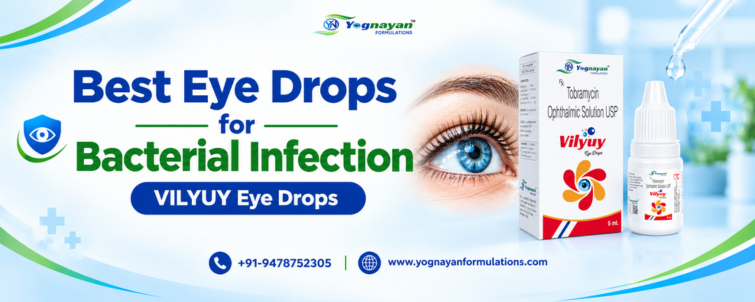
When treating bacterial ocular infections, healthcare practitioners look for reliable formulations with broad-spectrum efficacy. VILYUY Eye Drops, offered by Yognayan Formulations, is a targeted ophthalmic preparation featuring Tobramycin Sulphate 0.3% w/v.
Overview of VILYUY Eye Drops
- Active Composition: Tobramycin Sulphate 0.3% w/v.
- Therapeutic Category: Broad-spectrum aminoglycoside antibiotic.
- Primary Indication: Indicated for the treatment of external bacterial infections of the eye and its adnexa caused by susceptible bacterial strains.
Tobramycin works by inhibiting protein synthesis in bacterial cells, leading to bacterial eradication. Because VILYUY Eye Drops deliver targeted antibacterial action locally on the ocular surface, they provide effective localized coverage while minimizing systemic absorption.
How to Use Prescribed Eye Drops Correctly
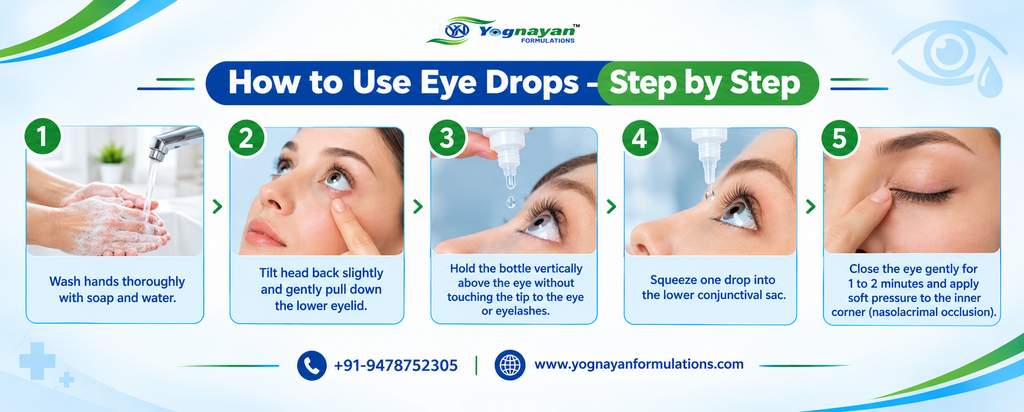
Proper technique ensures optimal drug absorption and prevents contamination of the bottle.
Critical Rules for Administration
- Do not touch the dropper tip against any surface.
- Always wait 5 to 10 minutes between applying different eye drops if multiple medications are prescribed.
- Complete the full course of treatment as directed by your physician, even if symptoms improve early.
Precautions, Hygiene, and Contact Lens Considerations
Maintaining strict hygiene prevents reinfection and stops the spread of bacteria to others:
- Discontinue Contact Lens Wear: Stop wearing contact lenses immediately during an active bacterial infection. Do not reinsert lenses until your doctor confirms the infection is completely cleared.
- Discard Old Lenses and Cases: Throw away contact lenses worn right before or during the onset of infection, along with the old storage case.
- Separate Personal Items: Use clean, separate towels, washcloths, and pillowcases daily.
- Hand Hygiene: Wash hands before and after applying bacterial conjunctivitis treatment.
Possible Side Effects and When to Consult an Eye Specialist
While prescription ophthalmic eye drops are generally well tolerated, mild localized reactions can occur:
- Temporary mild burning or stinging upon instillation
- Mild ocular discomfort or localized redness
- Temporary blurred vision immediately following drop placement
Red Flag Symptoms
Seek urgent medical attention from an ophthalmologist if you experience:
- Progressive vision loss or severe eye pain
- Marked worsening of swelling or redness
- Inability to open the eye due to severe discharge
- Lack of improvement after 48 to 72 hours of prescribed antibiotic therapy
Why Product Quality Matters in Ophthalmic Care
Ophthalmic formulations require the highest standards of pharmaceutical manufacturing. Because the ocular surface is delicate and highly susceptible to secondary contamination, eye drops must be manufactured under strict sterile conditions.
High-quality manufacturing ensures precise pH balance, isotonicity, optimal viscosity, and micro-filtered sterility. Quality failure in eye care products can lead to severe corneal complications, corneal clouding, or persistent irritation.
The Role of Yognayan Formulations in Ophthalmic Care
As a dedicated player in the pharmaceutical sector, Yognayan Formulations focuses on delivering high-quality ophthalmic solutions across India. The company offers a wide spectrum of eye care products designed to meet diverse clinical needs, including lubricating gels, anti-allergic formulations, anti-glaucoma agents, and broad-spectrum antibiotic eye drops such as VILYUY Eye Drops.
By maintaining stringent quality control, modern manufacturing standards, and robust supply chain networks, Yognayan Formulations supports healthcare professionals, distributors, and patients with trustworthy pharmaceutical products. Their commitment to ethical business practices and ophthalmic excellence helps ensure that patients have access to reliable treatments for various eye conditions.
Frequently Asked Questions (FAQs)
1. What are the best eye drops for bacterial infection treatment?
The best eye drops for bacterial infection treatment are broad-spectrum prescription antibiotic drops, such as Tobramycin (found in VILYUY Eye Drops), Moxifloxacin, or Ciprofloxacin, prescribed based on a professional diagnosis.
2. Can I buy antibiotic eye drops over the counter without a prescription?
No. Authentic antibiotic eye drops require a valid prescription from a qualified doctor. Over-the-counter drops only provide temporary lubrication or redness relief and cannot cure a bacterial infection.
3. How do I know if my eye infection is bacterial or viral?
Bacterial eye infections typically produce thick, yellowish or greenish mucopurulent discharge that crusts eyelids closed. Viral infections usually cause watery discharge along with flu-like symptoms. A doctor must evaluate your eye with a slit lamp for accurate diagnosis.
4. Can I wear contact lenses while using VILYUY Eye Drops?
No. You should stop wearing contact lenses during any active bacterial eye infection and while using medicated eye drops. Reinsert lenses only after your ophthalmologist confirms full recovery.
5. How long does it take for bacterial eye drops to work?
Most patients begin to notice symptom relief within 24 to 48 hours of starting prescribed antibiotic eye drops. However, it is vital to complete the full course prescribed by your physician to prevent bacterial resistance or recurrence.
6. Are there side effects to using antibiotic eye drops?
Mild, transient stinging, burning, or temporary blurred vision can occur upon instillation. If you experience severe pain, worsening redness, or vision changes, consult your eye care provider immediately.
Conclusion
Bacterial eye infections require prompt medical evaluation, proper hygiene, and targeted pharmaceutical intervention. Identifying the underlying cause ensures that patients receive effective broad-spectrum treatment rather than inappropriate over-the-counter remedies.
Formulations like VILYUY Eye Drops (Tobramycin Sulphate 0.3% w/v) by Yognayan Formulations reflect the vital role of quality manufacturing in restoring ocular health. Always consult an ophthalmologist for accurate diagnosis and prescription guidance to maintain clear vision and long-term eye health.